The integration of touch functionality—primarily through capacitive (e.g., projective capacitive) or resistive technology—has transformed LCDs from passive output devices into dynamic, interactive portals. Touchscreens enable intuitive, direct manipulation of digital content, streamlining workflows and creating engaging user experiences.
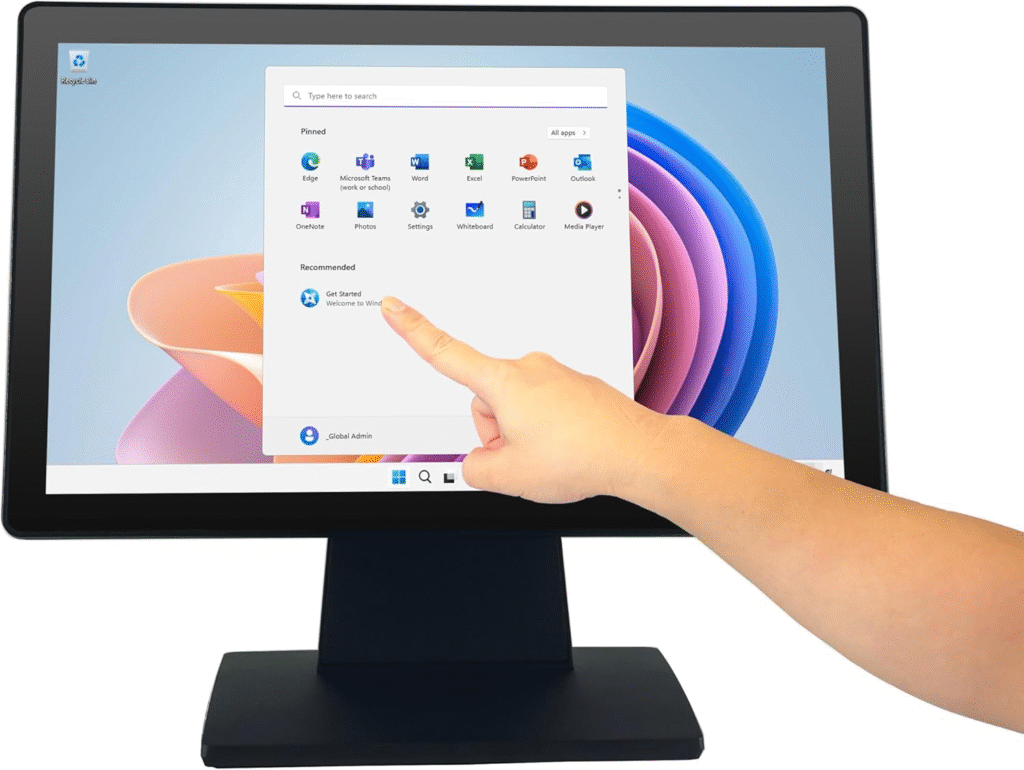
Key Application Areas and Specific Touch-Integrated Products:
- Mobile & Personal Computing:
- Products: Smartphones (iPhone, Android devices), Tablets (iPad, Samsung Galaxy Tab), 2-in-1 Laptops (Microsoft Surface, Lenovo Yoga), and E-readers (like some Kindle models). Touch is fundamental here, enabling gestures like swipe, pinch, and tap for navigation, creativity, and consumption.
- Retail & Hospitality:
- Products: Self-service Kiosks (for ordering food, ticketing, check-in), Interactive Payment Terminals, and Tablet-based POS systems. These streamline transactions, reduce wait times, and empower customers to control their experience, as seen in fast-casual restaurants and hotel lobbies.
- Enterprise & Industrial:
- Products: Human-Machine Interfaces (HMIs) on manufacturing lines, warehouse management handhelds, and interactive whiteboards (like Google Jamboard) in conference rooms. Touch interfaces allow for quick adjustments, data logging, and collaborative planning with minimal training.
- Education & Professional:
- Products: Interactive Flat Panels (IFPs) and all-in-one touchscreen computers for classrooms and boardrooms. Products like the ViewSonic ViewBoard or SMART Board turn displays into collaborative canvases for teaching, presenting, and brainstorming.
- Specialized & Emerging Applications:
- Products: In-car touchscreen infotainment systems (Tesla’s central console), GPS navigation devices, medical imaging review stations, and home automation control panels. Touch allows for complex control in a consolidated, space-saving design.

Conclusion
The journey of the LCD from a simple display to an interactive touchpoint illustrates its foundational role in digital interaction. While standard LCDs remain the workhorse for clear visual output, the addition of touch technology has unlocked unprecedented levels of intuitiveness and efficiency across every industry. As the Internet of Things (IoT) and smart ecosystems continue to evolve, both standard and touch-enabled LCD displays will remain central to connecting users with the digital world, adapting to new challenges and enabling future innovations.