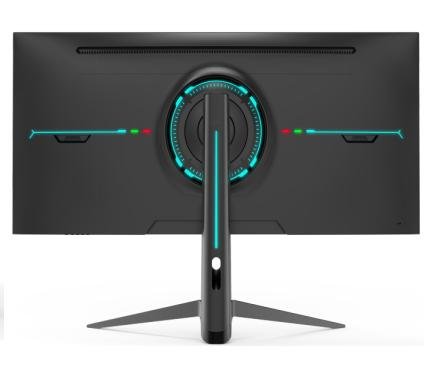
In the world of competitive gaming, every millisecond counts. This is why high refresh rate displays (144Hz, 240Hz, or even 360Hz) are considered critical hardware, not just a luxury upgrade. The core demand stems from the pursuit of ultimate speed and precision.

The Core Principle: Reducing Blur and Lag
Refresh rate (Hz) indicates how many times per second your monitor updates the image. A higher refresh rate directly translates to:
- Smoother Motion: Drastically reduces motion blur and the stuttering/judder effect during fast-paced actions like turning or aiming.
- Faster Visual Feedback: New frames are displayed more frequently, allowing you to see in-game events sooner than on a standard 60Hz display. This minimal reduction in visual latency can be the difference between victory and defeat.
Direct Impact on Player Performance
- Quicker Reaction Times: The chain from moving your mouse to seeing the cursor/aim respond on screen is shortened. High refresh rates lower perceived input lag, granting you precious milliseconds to react.
- text**Improved Aiming and Tracking:** Provides stable, continuous visual feedback for tracking moving targets. This allows for more accurate micro-adjustments and better overall aim consistency in shooters.
- Reduced Eye Strain: A smoother visual experience can lessen fatigue during long gaming sessions, helping maintain focus and performance.
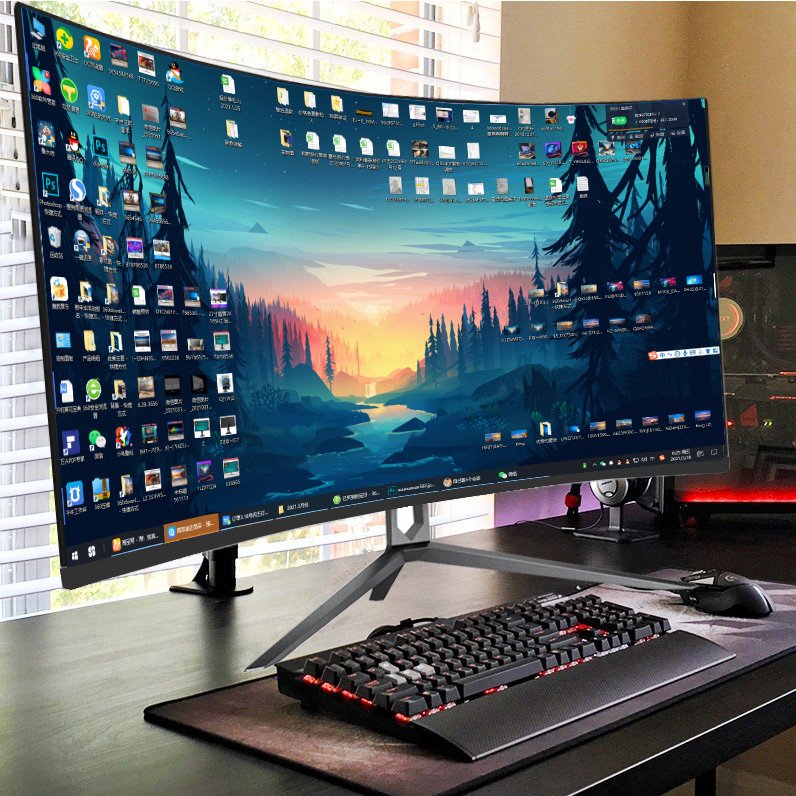
Key Supporting Technologies
To fully harness a high refresh rate, two elements are crucial:
- High Frame Rates (FPS): Your PC (especially the GPU) must be powerful enough to render frames matching your monitor’s refresh rate. A 360Hz monitor is underutilized if your game only runs at 60 FPS.
- Adaptive Sync: Technologies like NVIDIA G-SYNC or AMD FreeSync synchronize the monitor’s refresh rate with the GPU’s frame rate. This eliminates screen tearing and stuttering, ensuring perfectly smooth visuals, especially when FPS fluctuates.
In Summary
For competitive gamers, a high refresh rate monitor is fundamental. It enhances the real-time flow of visual information and the certainty of your inputs. By minimizing the delay between an action in-game and you perceiving it, it provides a tangible edge in fast-paced esports titles. In the arena where reactions are measured in milliseconds, a high-refresh-rate display is a core component of a winning setup.